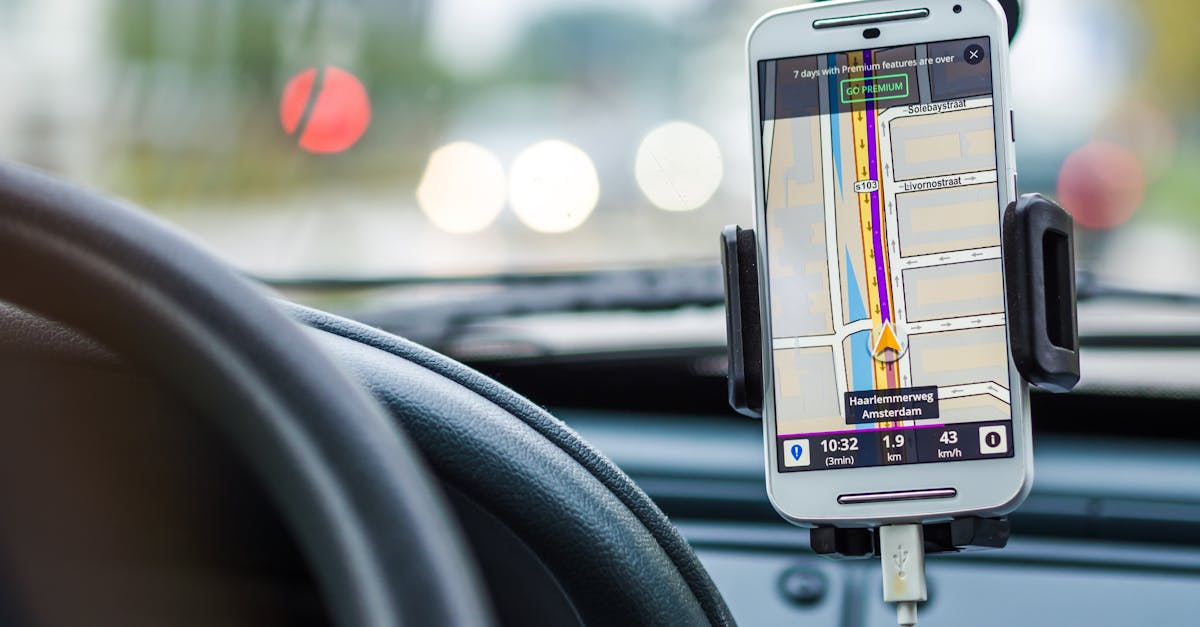
If you run a lawn care business, you already know that time is money. Every extra minute you spend behind the wheel driving between jobs is a minute you are not mowing, trimming, or billing. For most lawn care operators, drive time is the single biggest time drain in their day, and the easiest to fix. The key is learning how to optimize lawn care routes so that your crews spend less time on the road and more time doing the work that pays.
Whether you are a solo operator with twenty accounts or a multi-crew company managing hundreds of properties, route optimization can shave hours off your weekly schedule, cut fuel costs dramatically, and allow you to take on more jobs without hiring additional staff. In this guide, we will break down exactly why routes matter, how to plan them effectively, and how modern software like GreenRoute's route optimization can transform the way you run your business.
Why Route Efficiency Matters More Than You Think
Most lawn care business owners underestimate how much money they lose to poor routing. Consider the math: if your crew drives an average of 15 extra minutes between jobs because of inefficient routes, and they service 8 properties a day, that is 2 hours of wasted time. Over a five-day work week, that adds up to 10 hours of nonproductive driving. At a typical billing rate of $60 per hour, you are leaving $600 on the table every single week, or more than $31,000 per year in lost revenue.
Beyond lost revenue, inefficient routes also mean higher fuel costs. The average commercial mowing truck gets around 12 to 15 miles per gallon. When you add unnecessary miles because your route zigzags across town, you are burning fuel that eats directly into your profit margin. According to current fuel prices from AAA, poor routing can cost a single crew $200 to $400 per month in extra fuel alone.
There are also hidden costs that are harder to measure but equally damaging. More time on the road means more vehicle wear and tear, which leads to higher maintenance bills and shorter truck lifespans. It means your crews finish later in the day, which can lead to burnout and higher employee turnover. And it means you have less scheduling flexibility to handle last-minute requests or weather delays, because there is no buffer in your day.
Manual Route Planning vs. Software-Optimized Routes
Many lawn care business owners plan their routes the old-fashioned way: they look at a list of addresses, pull up a map, and try to arrange the day's jobs in a logical order. Some use Google Maps to string together stops. Others rely on instinct and local knowledge, driving routes they have always driven because “that is how we have always done it.”
The problem with manual planning is that the human brain is not built to solve complex routing problems. When you have more than a handful of stops, the number of possible route combinations explodes. With just 10 stops, there are over 3.6 million possible orderings. With 15 stops, the number exceeds one trillion. No matter how well you know your service area, you simply cannot calculate the optimal route in your head.
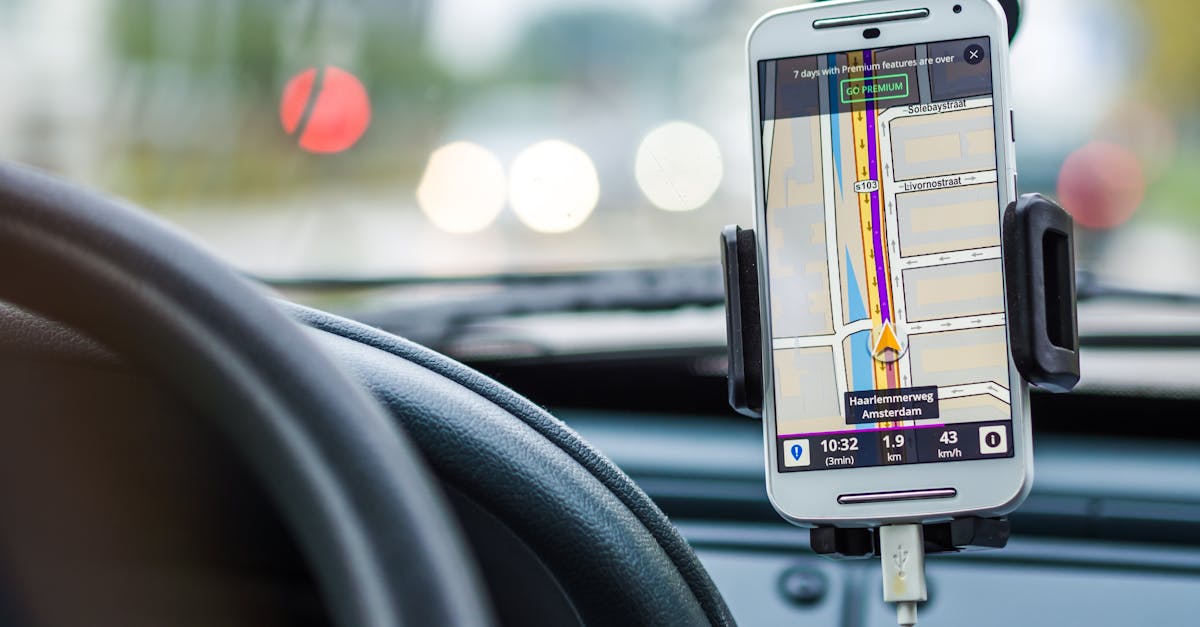
Google Maps is better than nothing, but it has serious limitations for lawn care businesses. It does not account for recurring schedules, property size variations, or the time you spend at each stop. It cannot balance workloads across multiple crews or factor in equipment requirements. And it requires you to manually enter addresses every day, which takes time and introduces the possibility of human error.
Dedicated route optimization software, on the other hand, takes all of these variables into account. GreenRoute's routing engine uses algorithms that consider drive distances, traffic patterns, job durations, crew capacity, and recurring schedules to generate the most efficient routes automatically. Instead of spending 30 to 45 minutes each morning figuring out who goes where, your crews get their optimized routes on their phones before they leave the shop.
Five Practical Tips for More Efficient Lawn Care Routes
Even before you invest in dedicated software, there are proven strategies you can implement today to improve your routing efficiency. These tips work whether you are planning routes by hand or using a digital tool.
- Cluster jobs by geographic area. The single most impactful change you can make is grouping properties by neighborhood or zip code. Instead of driving across town between every other job, assign entire areas to specific days. Monday might be the north side, Tuesday the south side, and so on. This alone can cut drive time by 30 to 40 percent for many businesses.
- Plan routes in loops, not lines. Your route should form a rough circuit that starts and ends near your shop or yard, without excessive backtracking. Avoid the temptation to knock out one distant property first and then loop back. Instead, work through properties in a logical geographic progression.
- Account for job duration, not just distance. A small residential lawn might take 20 minutes, while a large commercial property could take 2 hours. When you plan routes based only on addresses and distances, you risk overloading crews on days with large properties and underloading them on other days. Balance routes by total work time, not just number of stops.
- Build in buffer time for weather delays. In lawn care, weather disruptions are inevitable. If your routes are packed so tightly that a single rain delay throws off the entire week, you have a fragile schedule. Leave 10 to 15 percent buffer time so you can absorb delays without canceling jobs. Weather-based scheduling tools can help automate this process.
- Review and adjust routes regularly. Routes that worked six months ago may not be optimal today. As you add new customers and lose others, the geographic distribution of your accounts changes. Set a reminder to review your route structure at least once a month. Look for clusters of new customers that might justify a new route day, or old routes that have thinned out enough to be consolidated.
How GreenRoute Makes Route Optimization Effortless
While the tips above will help any lawn care business, there comes a point where manual planning simply cannot keep up. If you manage more than 50 recurring accounts, or if you run multiple crews, you need software that can handle the complexity for you. That is exactly what GreenRoute was built to do.
GreenRoute's route optimization engine automatically arranges your jobs into the most efficient order based on real distances and estimated job durations. When you add a new customer, the system suggests which day and route they fit best into, keeping your geographic clusters tight. When a customer cancels or you need to reschedule due to weather, the system reorganizes the remaining jobs instantly.
The platform also integrates route optimization with automated scheduling, so your crews see their optimized routes directly in the mobile app. They get turn-by-turn directions, estimated arrival times, and property-specific notes for each stop. No more paper route sheets, no more morning meetings to hand out address lists, and no more crews calling the office to ask where they are going next.
For businesses with multiple crews, GreenRoute's routing balances workloads automatically. It considers each crew's capacity, equipment, and service area to distribute jobs fairly and efficiently. If one crew finishes early while another is overloaded, the system can suggest reassignments in real time.
GreenRoute also uses satellite property measurement to estimate job durations more accurately. Instead of guessing how long a new property will take, the system calculates lawn area from satellite imagery and factors that into routing estimates. This means your routes are based on realistic time windows from day one, not rough guesses that throw off your whole schedule.
Real-World Savings: What Optimized Routes Look Like in Practice
To make this concrete, let us look at what route optimization means in dollars and cents for a typical lawn care business. Consider a company running two crews, each servicing 10 to 12 properties per day, five days a week.
Before optimization: Each crew drives an average of 85 miles per day with 45 minutes of cumulative idle time between jobs due to suboptimal routing. Monthly fuel cost per truck is approximately $650. Total productive time per crew per day is around 6 hours out of an 8-hour shift.
After optimization: Daily mileage drops to 55 miles per crew. Idle time between jobs falls to 15 minutes. Monthly fuel cost per truck drops to approximately $420. Total productive time increases to 7 hours per crew per day, effectively adding an extra hour of billable work every day for each crew.
For this two-crew company, the savings add up quickly:
- Fuel savings: $460 per month ($230 per truck times two trucks)
- Additional billable time: 2 extra hours per day across both crews, at $60 per hour, equals $600 per week or $2,400 per month in new capacity
- Reduced vehicle wear: 30 percent fewer miles translates to fewer oil changes, brake jobs, and tire replacements, saving an estimated $150 per month per truck
In total, this two-crew company could realize more than $3,000 per month in savings and new revenue from route optimization alone. Over a typical 8-month mowing season, that is $24,000 or more, simply by driving smarter routes. These kinds of operational improvements are critical for managing small business finances effectively.
These numbers are not theoretical. Lawn care businesses that switch from manual route planning to software-optimized routes consistently report 20 to 35 percent reductions in drive time and 15 to 25 percent reductions in fuel costs. For larger operations with more crews, the savings scale proportionally.
The best part is that getting started with route optimization does not require a massive investment. GreenRoute's free starter plan includes a 90-day Professional trial so you can experience drive route planning and other advanced features before committing. The Professional plan includes optimized route planning with no per-user fees, and the Professional Plus plan adds multi-crew optimization for teams that are ready to scale.
Whether you are a solo operator trying to fit two more lawns into your day or a multi-crew company looking to serve an entire new neighborhood without hiring, route optimization is the most impactful change you can make to your operations. The math is clear, the tools are available, and the savings start from day one.